Introduction :
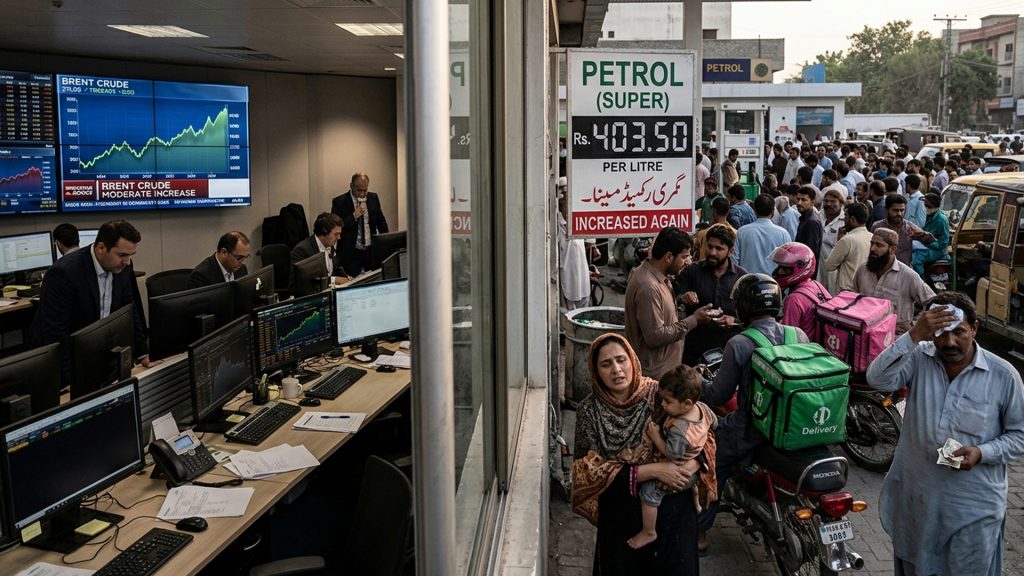
For weeks, rising fuel prices became one of the biggest concerns for Pakistani households, businesses, and transport operators. As tensions between Iran, Israel, and the United States raised fears of disruption in the Strait of Hormuz. One of the world’s most important oil shipping routes for global energy markets reacted with uncertainty. Pakistan, a country heavily dependent on imported fuel, quickly felt the impact as petrol prices surged to unprecedented levels, crossing Rs400 per litre in some areas and triggering fresh concerns about inflation and the cost of living.
However, with regional tensions easing and international oil markets stabilizing, fuel prices have begun to decline, with petrol and diesel recently falling to around Rs381–382 per litre. While the reduction has provided some relief, it has also raised important questions. Why did fuel prices in Pakistan rise so sharply compared to many other countries? Was the increase solely driven by global oil prices, or were domestic taxes, levies, and economic factors equally responsible? And perhaps most importantly, can prices return to the Rs265–275 range that consumers were paying before the crisis, or has Pakistan entered a new era of permanently expensive fuel?
This article examines how the Iran–US–Israel conflict affected global oil markets, why Pakistan experienced one of the steepest fuel price shocks, what caused the recent decline, and what the future may hold for petrol prices and the broader economy.
The Fuel Crisis That Hit Pakistan Harder Than Most Countries
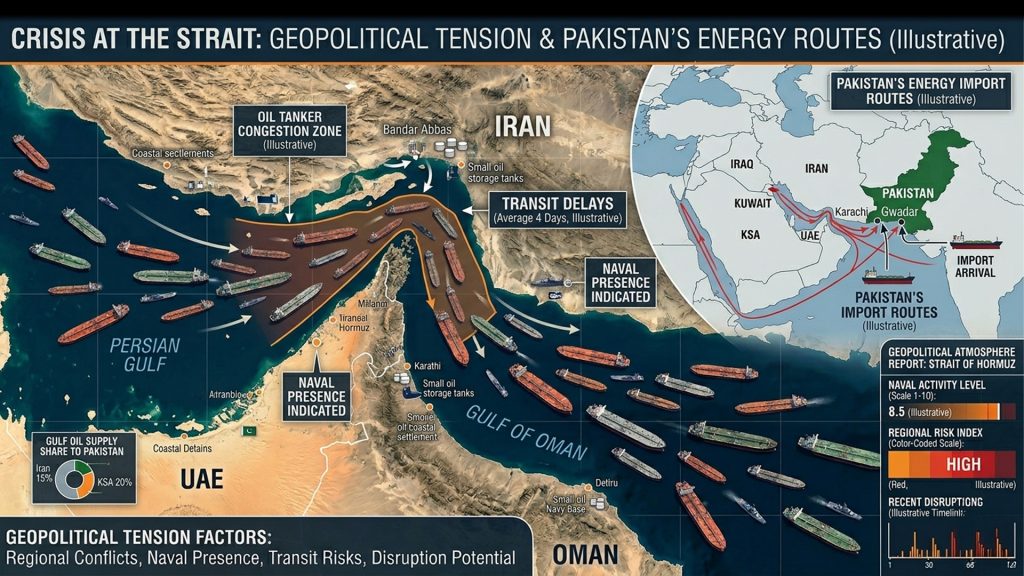
When the Iran–US–Israel conflict intensified and tensions around the Strait of Hormuz escalated, oil markets across the world reacted immediately. The Strait of Hormuz is one of the world’s most important energy routes, carrying a significant portion of global oil exports. Pakistan was among the most vulnerable countries because more than 80% of its energy imports depend on routes connected to Hormuz. As fears of disruption grew, global crude oil prices surged and shipping insurance costs increased dramatically. Countries around the world experienced pressure, but Pakistan’s fuel prices rose much faster than many other nations because of its heavy dependence on imported fuel and limited strategic oil reserves.
Why Pakistan’s Petrol Prices Rose Much More Than Global Oil Prices
Many Pakistanis questioned why petrol prices jumped from around Rs266 per litre before the crisis to above Rs400 per litre, while international oil prices did not rise by the same percentage. The answer lies beyond crude oil itself. Pakistan’s fuel pricing includes petroleum levies, taxes, exchange-rate pressure, freight costs, and war-risk premiums on shipping. During the crisis, the government also relied heavily on petroleum levies to maintain fiscal targets and manage pressure from international lenders. This meant consumers were not only paying for more expensive oil but also for higher transportation costs, insurance premiums, and government revenue measures.
Why Prices Suddenly Dropped From Around Rs408 to Rs382
The recent reduction from approximately Rs403–408 per litre to around Rs382 per litre came after global oil markets calmed due to reports of a possible easing of tensions between Iran and the United States. Markets reacted quickly when discussions emerged regarding the reopening and normalization of shipping through the Strait of Hormuz. As crude oil prices retreated and shipping risks eased, Pakistan’s government announced multiple reductions in fuel prices, including a Rs22 per litre cut that brought petrol close to Rs382 per litre. The decrease reflects improving international conditions, but it does not mean the crisis has fully ended. Energy markets remain highly sensitive to developments in the Middle East.
Can Petrol Return to Rs265–275 Per Litre?
A return to the Rs265–275 range is possible only if several conditions happen at the same time. Global oil prices would need to move closer to pre-conflict levels, shipping through Hormuz would need to remain stable for an extended period, the rupee would need to strengthen against the dollar, and the government would have to reduce petroleum levies and fuel-related taxes. At the moment, many analysts believe some of the recent price increases may disappear, but not all of them. Even if peace holds, energy infrastructure damage, supply chain disruptions, and higher long-term security costs could keep oil prices above their previous averages. Therefore, a complete return to pre-war fuel prices cannot be confirmed.
If Prices Stay High, Who Will Be Most Affected?
If petrol remains above Rs350–380 per litre for a prolonged period, the greatest burden will fall on ordinary households. Higher fuel prices increase transportation costs, which then raise the prices of food, construction materials, imported goods, and daily necessities. Economists warn that every major increase in oil prices contributes to higher inflation, reducing purchasing power and slowing economic growth. Small businesses, delivery services, transport operators, farmers, and salaried workers are usually the first to feel the impact. The danger is not only expensive fuel itself but the chain reaction it creates throughout the economy.
What Happens Next?
The future of petrol prices in Pakistan is now closely tied to developments in the Middle East. If the Iran–US–Israel tensions continue to ease and shipping through the Strait of Hormuz remains secure, further reductions are possible. However, if conflict returns or oil shipments face new disruptions, prices could rise again. The recent drop to around Rs382 per litre is a sign that markets are regaining confidence, but Pakistan remains highly exposed because of its dependence on imported energy. Until the country expands strategic oil reserves, diversifies energy sources, and reduces reliance on imported fuel, global conflicts thousands of kilometers away will continue to affect the price displayed at every petrol station in Pakistan.
Pakistan’s Petrol Price Shock: Why Did
Introduction : For weeks, rising fuel prices became one of...
Read MoreWhy Is No One Talking About
Introduction : For weeks, the world appeared consumed by the...
Read MorePutin’s Two-Day Visit to China: A
A Timed Diplomatic Visit : Russian President Vladimir Putin arrived...
Read More“Pakistan at a Crossroads”
A 7C Report Series: Pakistan is standing in a strange...
Read More